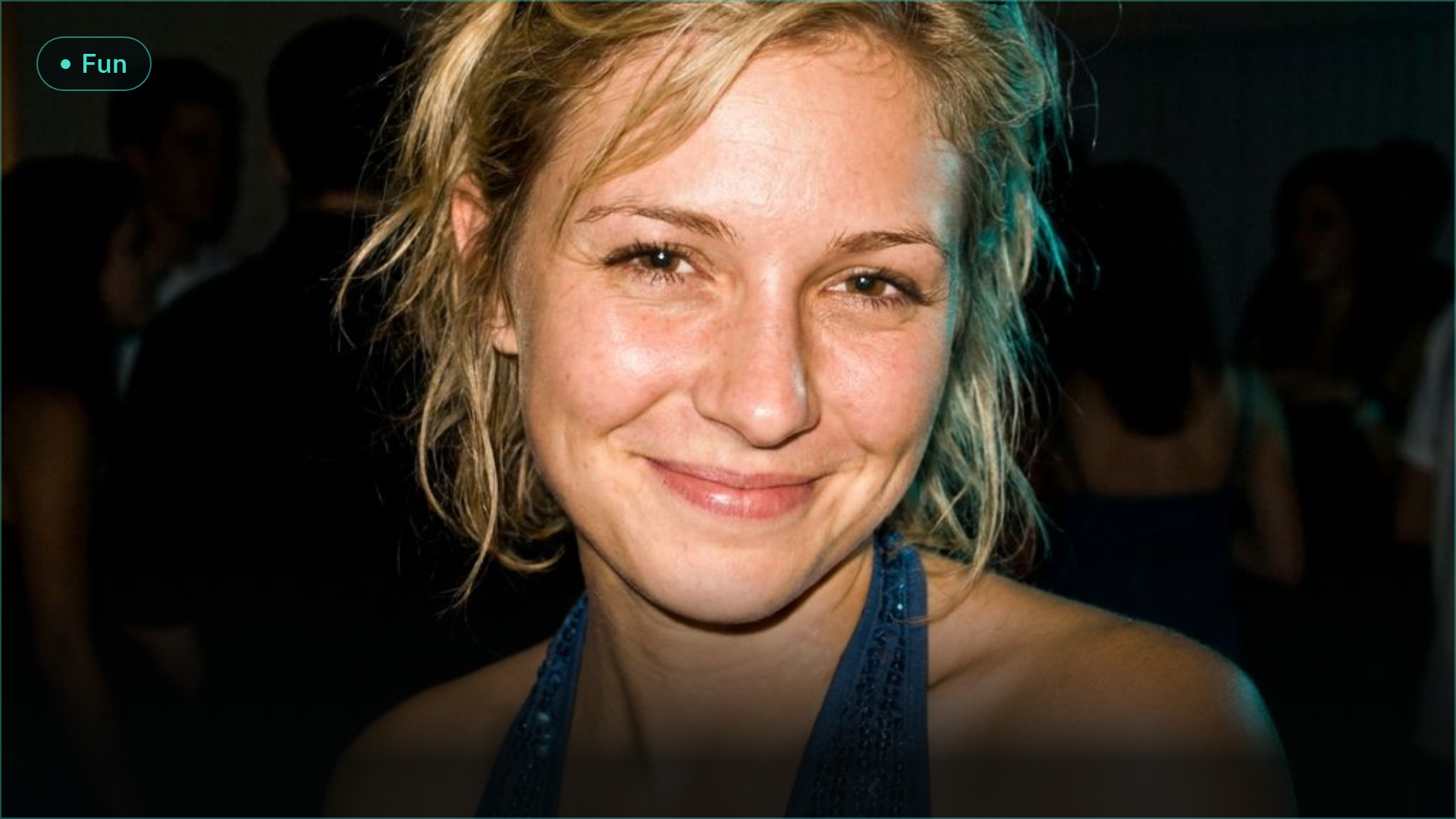
2007 Digicam Flash Trend: AI Tested by 3 Models (2026)
The viral 2007 digicam-flash trend is everywhere in 2026. We ran the same copy-paste prompt through Nano Banana Pro, GPT Image 2, and Seedream 4 to see which fakes the look best.
AI vs. the Viral 2007 Digicam-Flash Trend: 3 Models Tested
On October 27, 2007, at 11:47 PM, someone's compact point-and-shoot camera fired its built-in flash directly into three faces at a house party — and that exact overexposed, red-eyed frame is back at the top of AI art feeds in 2026. We ran the same viral prompt formula through three Ropewalk image models — Nano Banana Pro, GPT Image 2, and Seedream 4 — to see which one could actually fake being fifteen years old. Every image in this piece is a real generation from the prompts published below; nothing here is stock or hand-edited. The whole test, three head-to-head shots plus one bonus mirror selfie, cost less than $0.30 in generation fees.
By the Ropewalk AI Team. Tested on 2026-09-08 across 4 generations on 3 models.
What's Happening: The 2007 Digicam-Flash Look Is Back
The 2007 digicam-flash trend is simple: photographers deliberately blow out a shot with a direct on-camera flash, then dial in the red-eye, the motion blur, and the harsh JPEG compression that a cheap point-and-shoot camera produced by default two decades ago. Creators spent the first half of 2026 posting "glow up to glow down" pairs, swapping a smoothed, ring-lit selfie for a deliberately ugly flash photo — and the ugly one gets more comments. Marketing trend-watchers flagged the format as one of the fastest-growing photo aesthetics of the year, and prompt-sharing sites now publish ready-made "flash filter" recipes that reproduce the look, one copy-pasted paragraph at a time. The appeal is specific: a slightly too-bright forehead, a stamped date in the corner, and friends caught mid-laugh instead of mid-pose.
Why 2026 Is Nostalgic for Ugly Photos
AI image generators spent the last three years getting almost too good at looking good — glassy skin, perfect studio light, symmetrical faces by default. That polish is exactly what the digicam trend rejects: a photo that looks like nobody planned it. The pushback mirrors a broader shift covered across the AI photo editing space, where creators increasingly ask for texture and imperfection instead of another flawless portrait. A camera flash that blows out a nose, a timestamp nobody bothered to turn off, and eyes lit up red by an on-board flash all read as proof a moment actually happened — even when, as in this experiment, the moment never did.
The Experiment: One Face, One Prompt, Three Models
The setup mirrors what's actually happening in prompt-sharing groups right now: pick one synthetic subject, write one flash-photo prompt, and run it through several models without changing a word. We used a single fictional woman with a shaggy bob haircut at a house party, then pasted the identical prompt into Nano Banana Pro, GPT Image 2, and Seedream 4 — no reference photo, no editing pass, no cherry-picking beyond taking the first output each model returned. Generation time ranged from 10 seconds to 51 seconds across the three, and the full three-model comparison cost about $0.21 in provider fees. Here's what each model brought to the table:
Nano Banana Pro ends up winning this three-way test. Its red-eye intensity varies believably between the three faces instead of looking copy-pasted, and the environmental details behind the subjects — a worn couch, mismatched throw pillows, half-drawn blinds — read like clutter from an actual house rather than a generic backdrop. Skin still shows visible pores instead of going airbrushed-smooth, which matters for a trend built entirely on looking unpolished. At $0.15 per generation it's also the most expensive of the three models tested here, and it took 25 seconds to return this house-party frame — a fair trade for the most convincing fake in the set.
GPT Image 2 is the one that gives itself away. It rendered the sharpest raw detail of the three models and took the longest to do it — 51 seconds for this frame, more than double Nano Banana Pro's time. But all three of its subjects share the exact same saturated red pupil, a uniformity that a real on-camera flash almost never produces in three different people at once. The skin also comes out with a glossy, retouched quality that fights the entire point of a 2007 point-and-shoot photo. At $0.03 per generation it's tied with Seedream 4 for the cheapest option, just not the most convincing one.
Seedream 4 is the closest runner-up, and the fastest of the three by a wide margin — just 10 seconds per generation, a fifth of GPT Image 2's time, at the same $0.03 cost. Its strongest showing is the bathroom-mirror selfie variant later in this piece, where the motion blur on the raised arm and a slightly asymmetric part in the bangs read as genuinely unposed rather than generated. It doesn't quite match Nano Banana Pro's red-eye variance or environmental clutter, but for a third of the price of the category leader, it's the pragmatic pick if you're running this experiment yourself.
The Real Prompt, Word for Word
The exact prompt below produced every house-party frame in the gallery ahead — copy it into any of the 3 models above and generate your own version of the same 2026 digicam-flash trend. The formula has four load-bearing parts: a plain scene description, an explicit flash-and-shadow lighting note, a fake timestamp string in quotes, and a line calling out JPEG compression artifacts by name. Drop any one of those four and the result tends to look like a normal, clean AI photo instead of a fake-old one — the timestamp and the artifact callout are doing more work than the outfit description ever does.
Gallery: Nano Banana Pro vs. GPT Image 2 vs. Seedream 4
Three models, one prompt, zero edits — here's what came back. Nano Banana Pro returned its house-party shot in 25 seconds and layered in believable environmental clutter: beer bottles, a worn couch, mismatched red-eye intensity between the three faces. GPT Image 2 took the longest at 51 seconds and rendered the sharpest detail, though its red-eye came back as three near-identical solid red discs. Seedream 4 was the fastest at just 10 seconds and produced the most natural motion blur on the raised arm, similar to what we saw in an earlier double-exposure poster test with the same three-model format. A fourth bonus generation — the same subject taking a bathroom-mirror selfie with an actual camera in frame — pushed Nano Banana Pro even further into convincing territory.
Which Model Nailed the Fake Nostalgia (and Which Gave Itself Away)
Nano Banana Pro wins this round at $0.15 per generation: its red-eye varies believably between the three faces, the couch and window blinds behind the subjects have the kind of random clutter a real house actually has, and the skin retains visible pores instead of going airbrushed-smooth. Seedream 4 is the closest runner-up at $0.03 a shot, especially in the mirror-selfie test, where its motion blur and slightly asymmetric bangs read as genuinely unposed. GPT Image 2 is the tell: all three subjects share the exact same saturated red pupil, a uniformity real on-camera flash almost never produces, and the skin has a glossy, retouched quality that fights the 2007 point-and-shoot brief. None of the three is a perfect fake yet — look closely at any hand or ear and a slightly warped detail gives it away within a few seconds.
| Model | Generation Time | Cost/Image | Verdict |
|---|---|---|---|
| Nano Banana Pro | 25s | $0.15 | Most convincing overall |
| Seedream 4 | 10s | $0.03 | Best motion blur, close second |
| GPT Image 2 | 51s | $0.03 | Red-eye too uniform — the tell |
Try the 2007 Flash Look Yourself
Every prompt in this piece is copy-paste ready, so the fastest way to judge the three models yourself is to run your own subject through the same formula. Swap the outfit, the setting, or the fake timestamp for your own decade of choice — the four load-bearing elements (scene, flash lighting, quoted timestamp, JPEG-artifact callout) are what make the trick work, not the specific wording around them. If a friend swears a photo is a real 2007 relic, this is the exact recipe that fooled them, and now you have three models to pick from and three real price points to compare, from $0.03 to $0.15 a shot.
Comments
Comments feature coming soon! Stay tuned.